
📋 Table of Contents
The Architecture of a Locked Door
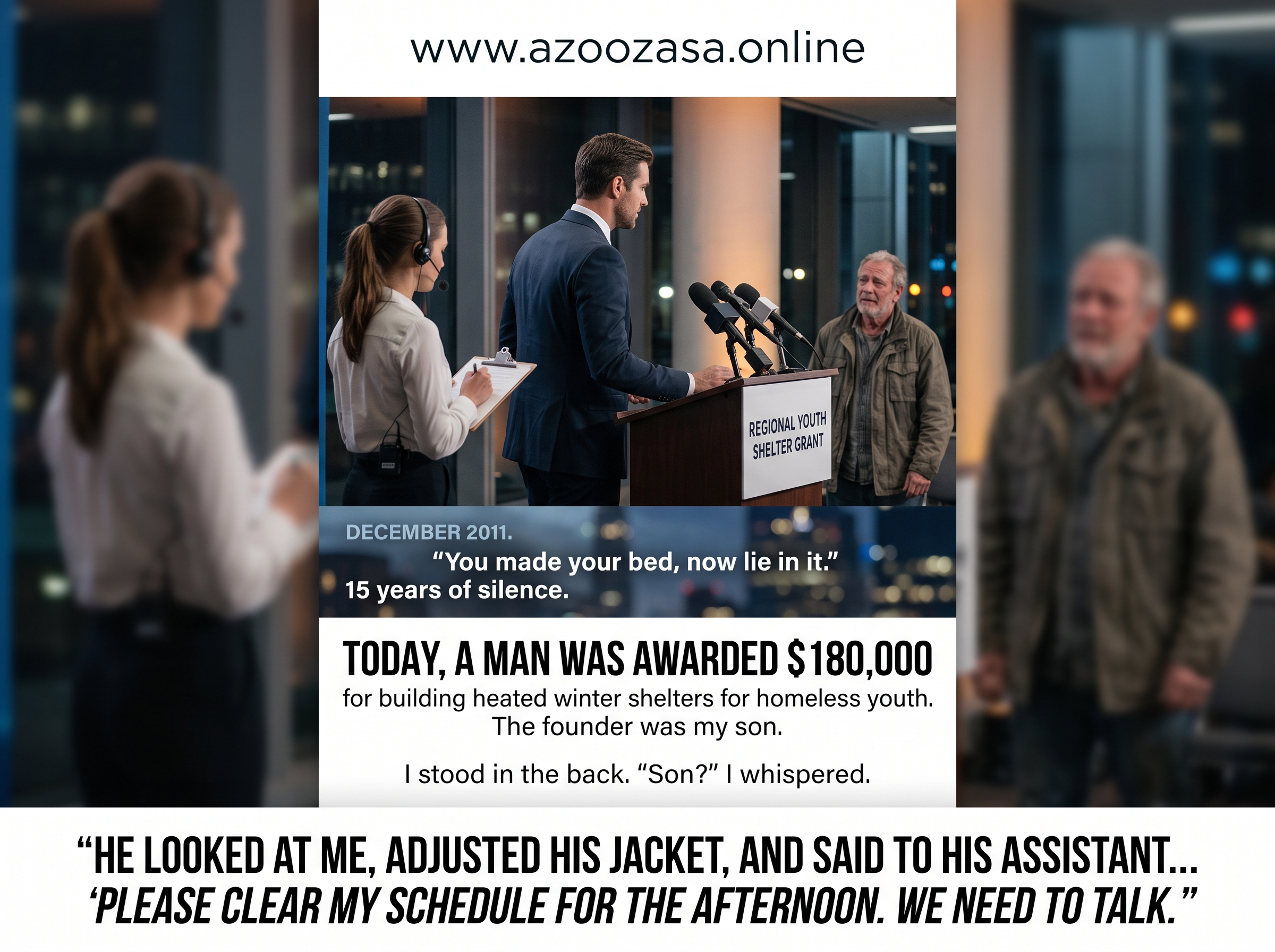
The click of a deadbolt is a small, insignificant sound, barely louder than a snapping twig. But on a Tuesday in December of 2011, at two in the morning, it was the loudest noise I had ever heard. It sounded like a gunshot. It sounded like an ending.
The air outside was a brittle, unforgiving sheet of ice. The thermometer on the back porch read fourteen degrees, the kind of biting winter cold that turned breath into thick, white plumes and stung the exposed skin of your cheeks. My son, Leo, stood on the frost-covered concrete of the front porch. He was sixteen, wearing a thin denim jacket that smelled faintly of cheap stale beer and the sweet, skunky odor of smoke. He had sneaked out. He had lied to my face. And when I caught him slipping back through the side window, the exhaustion of single parenthood and the boiling terror of losing control over him had finally erupted into a blind, self-righteous rage.
“You made your bed,” I had spat through the crack in the door, my voice trembling with a mixture of anger and a desperate need to establish authority. “Now lie in it.”
I slammed the heavy wooden door shut and threw the deadbolt. I stood in the dark entryway, my chest heaving, waiting for the inevitable pounding on the wood. I waited for him to beg, to apologize, to promise he would never do it again. I waited to hear the rattle of the doorknob so I could open it, deliver my final lecture, and let him back into the warmth.
The pounding never came. The doorknob never rattled.
After five agonizing minutes, I pulled aside the edge of the curtain. The porch light illuminated empty, frost-bitten concrete. Leo had walked into the dark.
I told myself he had gone to a friend’s house. I told myself he would be back by morning, humbled and shivering. But morning came with gray skies and unbroken silence. Then came the frantic phone calls to his friends, the agonizing police reports, the flyers plastered across telephone poles, and the crushing, hollow realization that my pride had driven my only child out into a dangerous world.
That single, impulsive click of a lock became the defining moment of my life. It was the prologue to fifteen years of absolute, deafening silence.
The Quiet Years
Time does not heal all wounds; it merely allows scar tissue to form over the agonizing nerve endings. I kept his room exactly as it was. I paid a premium to keep the same phone number, jumping out of my skin every time an unknown caller ID flashed across the screen.
For the first five years, I was a ghost haunting my own life. I spent my nights driving through the worst parts of the city, scanning the faces of young men huddled around trash-can fires, my heart leaping into my throat every time I saw a familiar slouch or a worn denim jacket. I visited shelters, handed out blankets, and looked into the tired, hollow eyes of runaways, praying to see my son’s face.
As the decade mark passed, the frantic searching settled into a dull, heavy grief. I had to accept the very real possibility that Leo was gone, swallowed whole by the streets. The guilt became a physical weight I carried in my chest—a permanent ache that flared up every time the winter frost settled on the windows. I had been the one to lock the door. I had been the one to teach him that love was conditional.
The Revelation
Last Tuesday, the silence broke not with a phone call, but with a tap on my shoulder.
My neighbor, Sarah, leaned over the fence separating our driveways, holding her tablet in her garden-gloved hands. She had a strange, sympathetic look on her face—the kind of look people give you at a funeral.
“I didn’t know if I should show you this,” she said softly. “But I was watching the local news from three counties over. The name… it caught my attention.”
I wiped the grease from my hands onto a rag and took the tablet. The screen displayed a news segment about a regional philanthropy award. The headline read: Local Non-Profit Awarded $180,000 Grant to Expand Winter Shelters.
The camera panned across a sleek, modern community center, eventually focusing on a tall, broad-shouldered man in a charcoal suit. He was speaking passionately about a new architectural initiative—building heated, self-sustaining micro-shelters for homeless youth who had slipped through the cracks of the foster system.
“These kids didn’t choose the cold,” the man on the screen said, his voice deep and steady. “Our mission is to ensure that no matter what mistakes they’ve made, there is always a door open to them. Always.”
My breath caught in my throat. I stared at the screen until my vision blurred. The jawline was sharper, the shoulders wider, the demeanor entirely transformed by time and hardship. But the eyes—they were his father’s eyes. It was Leo. He was thirty-one years old. He was alive. He had taken the worst night of his life, the night I threw him away, and built a sanctuary out of it.
The Press Conference
The drive took three hours, but I have no memory of the highway. I parked my battered truck outside the municipal building where the grant press conference was being held. I sat behind the steering wheel for forty-five minutes. My mouth was entirely dry; my tongue felt like rough paper against the roof of my mouth.
What right do I have to walk in there? I asked myself. He survived in spite of me, not because of me.
But the desperate, starving need to just breathe the same air as him propelled me out of the truck.
I slipped into the back of the conference room just as the mayor was handing Leo an oversized ceremonial check. The room was packed with reporters, local politicians, and volunteers wearing lanyards. I stood by the double doors, a ghost at the back of the room, completely invisible.
I watched him. I watched the way he commanded the room with a quiet, dignified authority. I watched the way he smiled at his team, a genuine, warm expression that cracked my heart wide open. He was a good man. A great man. And I had missed all of the difficult, painful years it took for him to become one.
As the event wound down, the crowd began to thin. Reporters packed up their cameras, and the politicians filtered out toward the catered lunch. Leo was standing near the podium, speaking in hushed tones to a young man with a clipboard—his assistant.
My feet moved before my brain could stop them. I navigated through the empty folding chairs, my heart hammering against my ribs with the same violent intensity it had that night in 2011. The distance between the back of the room and the podium felt like miles.
When I was five feet away, he looked up from the clipboard.
The polite, professional smile on his face froze. For a fraction of a second, the confident founder vanished, and I saw the terrified sixteen-year-old boy standing on a freezing porch. The air in the room seemed to vanish. Fifteen years of unspoken words, of desperate prayers and crushing guilt, hung in the space between us.
I took a trembling breath. My voice was nothing but a fragile, broken thread.
“Son?”
Leo stared at me. His eyes darted across my face, cataloging the gray in my hair, the deep lines around my eyes, the physical toll that fifteen years of regret had taken on me. He didn’t yell. He didn’t break down. He slowly reached up, adjusted the lapel of his jacket, and turned his head slightly toward the young man with the clipboard.
“Marcus,” Leo said, his voice eerily calm, carrying the baritone resonance of a man who had survived the absolute worst the world had to offer. “Cancel my afternoon site visits. And go down to the main lobby.”
Marcus looked confused. “The lobby, sir?”
“Yes,” Leo continued, his eyes never leaving mine. “I need you to personally ensure that every single entrance to this building is propped wide open. I don’t care if the heat escapes. I have a zero-tolerance policy for locked doors today. No one gets left out in the cold.”
Marcus nodded slowly, glancing between the two of us before hurrying away.
The large room was nearly empty now. The silence between us stretched, heavy and profound, but it was no longer the dead, hollow silence of the past fifteen years. It was the silence of a structure waiting to be tested, of a foundation stripped down to the bedrock.
Leo finally took a step toward me. He didn’t open his arms, and he didn’t offer a smile, but he didn’t turn his back, either.
“It’s a cold day,” Leo said quietly, the emotional weight of a decade and a half packed into four simple words. “You should come inside.”
Are there specific themes or character dynamics from this family drama that you would like to explore further in another story?



0 comments